Freya Frank · 2 September 2026
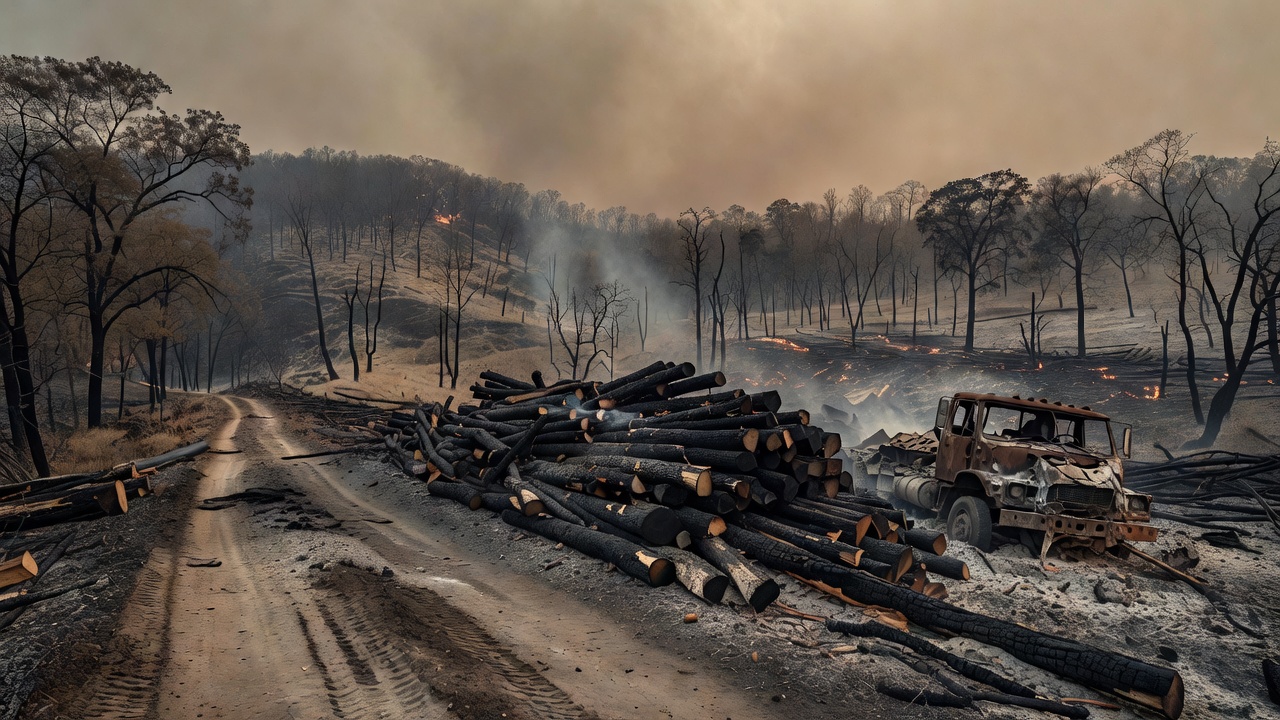
Recent wildfires have inflicted severe damage on major oak forest zones in the western United States, disrupting supply chains for the timber oak industry. Officials report over 85,000 acres burned in key regions of California and Oregon during the past month, with significant portions consisting of mature oak stands used for lumber and veneer production. Industry analysts note that the loss extends beyond immediate timber volume to long-term regeneration challenges.
Economic Losses in Oak Timber Sector
Timber companies operating in affected zones face estimated losses exceeding $240 million in standing oak inventory. Harvest schedules for the current quarter have been suspended in multiple counties, leading to reduced output at sawmills specializing in white and red oak products. Employment in logging operations has declined by 12 percent in the hardest-hit areas, with contractors reporting equipment damage and restricted access to federal lands. Market prices for oak lumber have risen 8 percent since the fires began, reflecting anticipated shortages through the end of the year. Downstream manufacturers of flooring and furniture components are revising production forecasts and exploring alternative species to maintain delivery commitments.
Environmental assessments indicate that soil erosion risks have increased in burned watersheds, potentially affecting future oak seedling survival rates. Replanting programs typically require three to five years before commercial viability returns, placing additional pressure on existing mature forests to meet demand. Insurance claims from timberland owners are expected to reach record levels, though coverage gaps for wildfire damage may limit payouts.
Recovery Efforts Underway
State forestry departments have initiated aerial seeding and erosion control measures across 22,000 acres of damaged oak habitat. Collaborative task forces involving industry associations and government agencies are prioritizing salvage logging where feasible, though safety concerns and regulatory reviews have slowed progress. Researchers are evaluating fire-resistant oak varieties for future plantings to reduce vulnerability in high-risk zones. Long-term industry outlook depends on accelerated permitting for thinning operations and improved forest management practices that balance ecological restoration with commercial needs. Analysts project gradual supply stabilization by late 2026 if weather patterns remain favorable and funding for recovery programs is sustained.