Hugo Schwarz · 2 September 2026
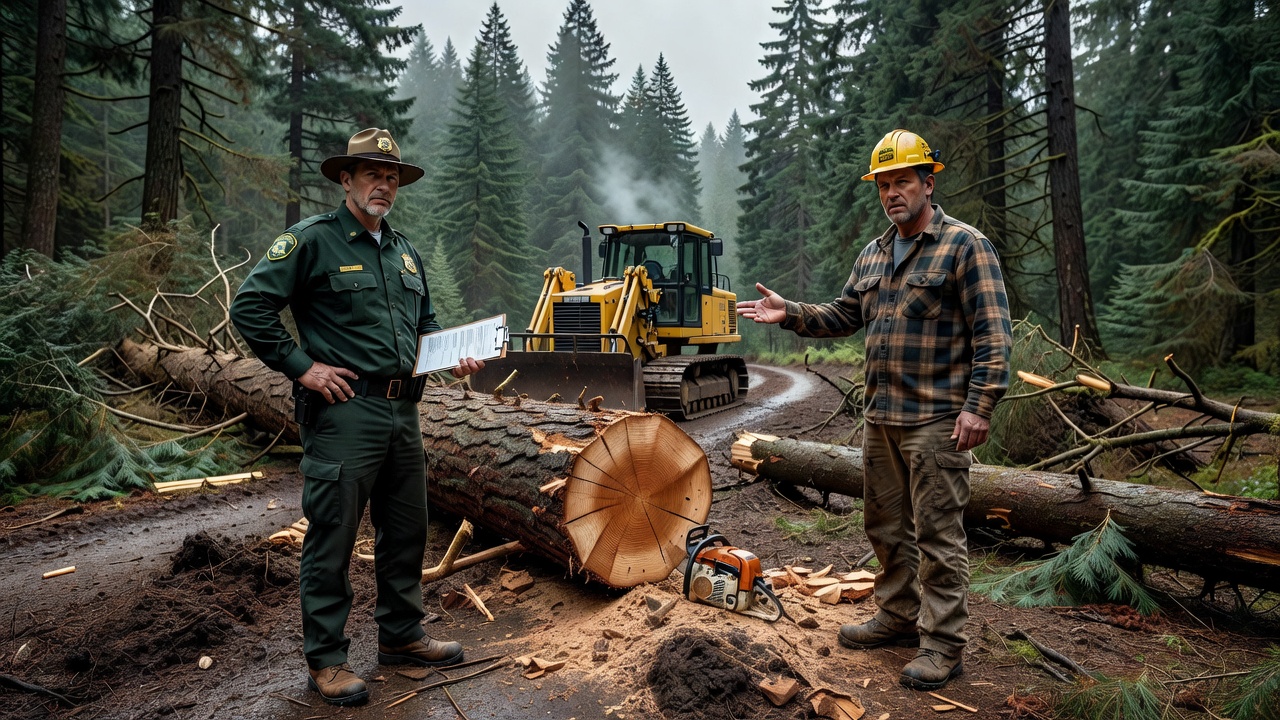
New federal regulations effective in 2024 impose stricter requirements on timber harvest permits across national forests and private lands subject to federal oversight. The updated rules from the U.S. Forest Service and Bureau of Land Management emphasize environmental protections, including enhanced biodiversity assessments and reduced allowable harvest volumes in sensitive watersheds.
Key Changes in Permit Requirements
Applicants must now submit detailed climate impact analyses and demonstrate compliance with updated endangered species protections before permits are granted. Processing times have increased by an average of 45 days due to mandatory public comment periods and independent third-party reviews. Harvest quotas in old-growth areas have been reduced by 20 percent compared to 2023 levels, with additional restrictions on clear-cutting practices.
These measures aim to balance timber production with conservation goals amid rising concerns over deforestation and habitat loss. Industry analysts note that smaller operators may face disproportionate challenges in meeting the new documentation standards.
Industry Impact and Compliance Strategies
Timber companies are adapting by investing in advanced mapping technologies and sustainable forestry certifications to streamline approvals. Larger firms report reallocating resources toward selective harvesting methods that align with the tightened guidelines. Economic forecasts suggest a modest 5 to 8 percent decline in overall harvest volumes for 2024, potentially leading to higher lumber prices in downstream markets.
Stakeholders recommend early engagement with regulatory agencies and collaborative planning with environmental groups to mitigate delays. Long-term, the rules are expected to promote more resilient forest management practices while maintaining viable timber supplies for domestic industries.